
The Long-Term Benefits of Early Frenectomies on Sleep and Airway Development

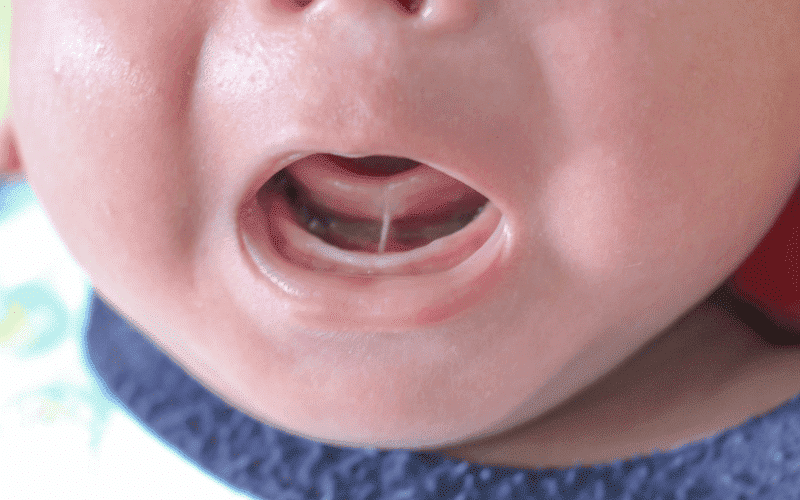
Tiny pieces of tissue can be more hazardous to a child’s health than parents may realize. The band of tissue underneath the tongue, which can also be found under the lip, is restrictive and impairs how an infant eats, breathes, and sometimes even sleeps. The removal of these bands of tissue frees the tongue and allows improved oral function and better airflow.
Intervention before age 8 can prevent long-term abnormal jaw growth, mouth, and sleep issues. Most pediatric specialists promote that early frenectomies can produce an airway, which can enhance oxygenation and health across the board, further than feeding or speech benefits.
What Is a Frenectomy and Why Is It Done?
A frenectomy procedure repairs tongue or lip ties, in which tight tissue attachments are cut. Lingual frenectomy removes restrictions under the tongue, and labial frenectomy pertains to the upper lip. Limited beginning frenums limit the movement of the tongue and affect feeding, speech, and breathing in infants and children.
The limitations, if left untreated, could result in chronic tension and incorrect oral positioning. Today, modern frenectomies in Allen are performed with laser dentistry, which means overgrowth can be treated gently and accurately with minimal pain. Early frenectomies allow for proper oral function to aid in normal growth and airway development.
The Connection Between Oral Tissues and Airway Development
The position of the tongue directly affects how the jaws and airway grow. Restricted movement limits tongue rest and leads to mouth breathing and nasal airflow impairment. Mouth breathing habitually evolves into narrow jaws, misalignment, and even postural issues. Oral restrictions are associated with pediatric sleep apnea and compromised breathing patterns through research.
The American Academy of Pediatric Dentistry highlights early frenectomies as being beneficial for airway development. Frenectomies free the tongue for its normal rest against the palate, which directs nasal breathing and balanced jaw growth during early childhood.
How Early Frenectomies Foster Better Sleep
Frenectomies improve how children breathe during sleep. A freed tongue strengthens nasal breathing and dissuades airway blockage. Better airflow reduces snoring, restless nights, and nocturnal wakings. Restful sleep enhances concentration, learning, and emotional regulation during the day.
Moreover, frenectomies reduce tension in the muscles of the throat and encourage normal breathing patterns. Parents typically notice more restful sleep, improved energy, and better mood after normal oral function is established. Early frenectomies set the stage for long-term sleep quality and better overall development.
Long-Term Growth and Posture Benefits
Frenectomies in Allen help guide balanced growth of the face and posture. The well-positioned tongue reinforces proper jaw position and airway diameter. These corrections reduce orthodontic problems later in life. Children who receive early frenectomies also develop natural oral rest posture, which promotes consistent breathing and facial symmetry.
Interdisciplinary collaboration between pediatric dentists, myofunctional therapists, and orthodontists maximizes these outcomes. Frenectomies create harmony between the airway, tongue, and jaw, with long-term structural stability as an outcome. Early correction facilitates confident smiles, healthy breathing, and long-term growth success.
Early frenectomies do more than fix ties. They protect overall growth and airway function. The benefits extend to better breathing, restful sleep, and balanced development. Parents can make a lifetime of difference by having restrictions removed early.
If you believe your child has a tongue- or lip-tie, schedule a gentle evaluation today with us. Early frenectomies give every child the healthiest possible start at breathing, sleeping, and thriving with confidence.