
Why Does My Child Have “Chalky” White Spots on Their Teeth?

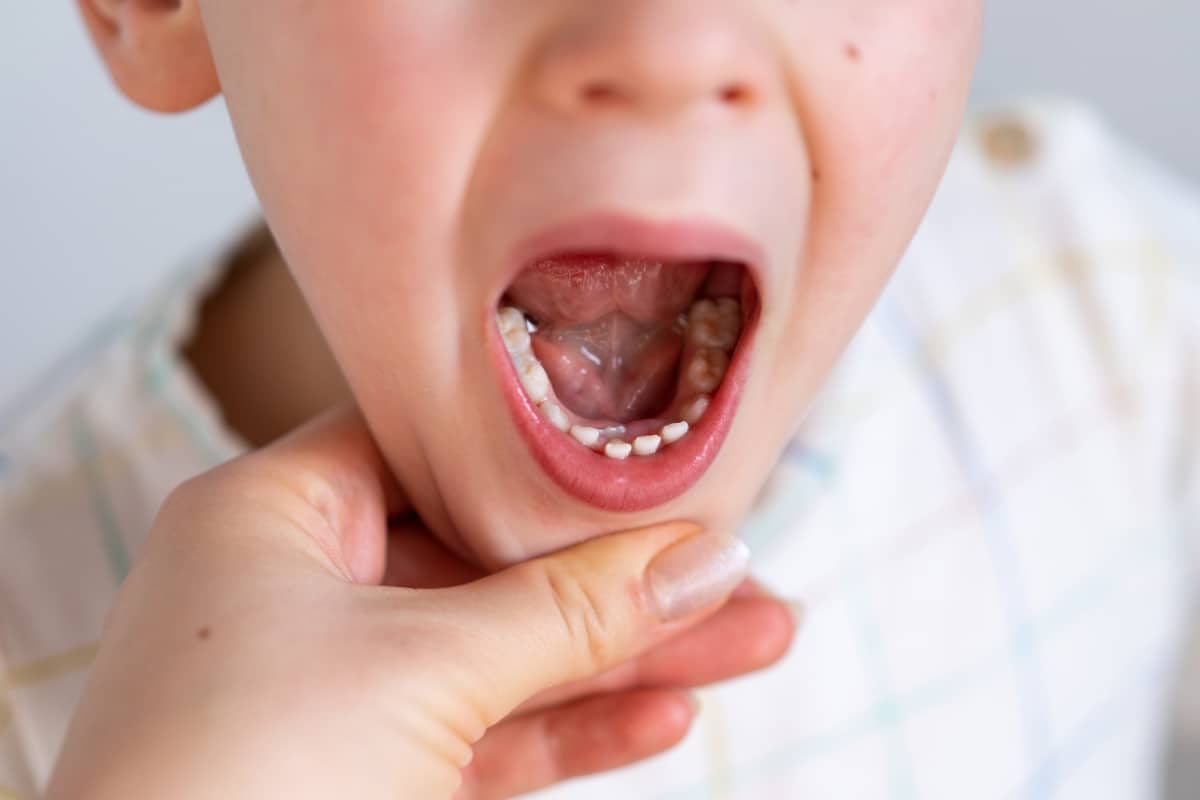
As a parent, it’s not unusual to feel concerned when you notice something unusual about your child’s teeth. Recently, we’ve had many parents express worry about chalky white spots on their little one’s teeth. These spots might appear on their front teeth, making their pearly whites look a little off. You’re not alone if you’ve noticed this, and we’re here to explain what causes these spots, why they appear, and, most importantly, how you can address them.
What Causes Chalky White Spots on Teeth?
Chalky white spots on your child’s teeth can be concerning, but they often appear due to a condition called enamel hypoplasia. This is a developmental issue that affects the outer layer of the teeth, called enamel. Enamel hypoplasia can result from various factors that interfere with enamel formation. Here are some of the most common causes:
1. Fluorosis: Too Much Fluoride
One of the main causes of chalky white spots is a condition called dental fluorosis. Fluorosis occurs when children consume too much fluoride during their developing years—typically when they’re younger than eight years old. It happens when enamel is still forming and is exposed to excessive fluoride, often through toothpaste, drinking water, or supplements.
It’s important to note that fluoride is essential for strong teeth, but when too much is ingested, it can cause the enamel to become discolored, resulting in those familiar white spots. While these spots are usually harmless, they indicate that the enamel was affected during its development.
2. Poor Oral Hygiene and Plaque Buildup
Another common cause of chalky spots is poor oral hygiene. If plaque builds up on your child’s teeth and is not removed properly through brushing and flossing, it can start to demineralize the enamel. This can lead to weak spots that appear white, indicating areas where the enamel has been compromised.
It’s especially common around the gum line or between teeth, where brushing might not be as thorough. Good oral hygiene habits are crucial to prevent further damage, and even the earliest signs of plaque buildup should be addressed.
3. Diet and Acidic Foods
Your child’s diet plays a significant role in the development of their teeth. Foods that are highly acidic or sugary can erode enamel over time, leading to weakened spots that may appear white. Acidic foods, such as citrus fruits, soda, and some fruit juices, can contribute to this condition. If your child consumes a lot of sugary or acidic foods, it can weaken their enamel, causing these telltale spots.
4. Illness or Medications
Certain illnesses or medications that your child may take during their formative years can also lead to enamel damage. For instance, antibiotics like tetracycline, when taken by young children, can cause tooth staining or spotting. Similarly, conditions such as fever or nutritional deficiencies during early development can affect the strength and appearance of your child’s enamel.
How Can You Prevent or Treat Chalky White Spots on Your Child’s Teeth?
Now that we’ve covered some of the common causes of chalky white spots on teeth, it’s time to talk about what can be done. Fortunately, there are ways to treat and manage these spots, especially if they are caught early.
1. Practice Good Oral Hygiene
The most effective way to prevent chalky white spots is to brush and floss regularly. Make sure your child is brushing their teeth at least twice a day with fluoride toothpaste. Using a soft-bristled toothbrush and proper technique helps protect their enamel from plaque buildup, reducing the risk of damage and discoloration.
2. Diet Control
Encourage your child to eat a balanced diet that includes calcium-rich foods like cheese, milk, and yogurt. These foods can help strengthen the enamel. Additionally, limiting sugary and acidic foods will help prevent enamel erosion and reduce the risk of white spots. Be sure to help your child drink plenty of water to wash away any residual sugar or acids after meals.
3. Consider Silver Diamine Fluoride in Allen
If your child already has white spots, Silver Diamine Fluoride (SDF) can be an effective treatment. SDF is a safe, non-invasive liquid that can be applied directly to areas with early signs of decay. It can help stop the progression of cavities and prevent further damage.
In Allen, TX, we’re proud to offer Silver Diamine Fluoride as a treatment option for children with white spots and other early stages of tooth decay. This treatment is quick, easy, and affordable, making it a great option for parents concerned about their child’s teeth who want to avoid more invasive procedures. SDF works by killing bacteria and hardening enamel, making white spots less noticeable and helping restore your child’s dental health.
The appearance of chalky white spots on your child’s teeth can be alarming, but with proper oral care and treatment, they can be addressed effectively. Early intervention is critical—taking action now can prevent further damage to your child’s teeth and improve the overall health of their smile.
If you’re concerned about the white spots on your child’s teeth, don’t wait. Book an appointment at Jupiter Kids Dentistry & Orthodontics today to discuss treatment options like Silver Diamine Fluoride in Allen, TX, and ensure your child’s smile stays healthy and bright for years to come.
People Also Ask
1. Can chalky white spots on my child’s teeth be reversed?
In many cases, the appearance of chalky white spots can be improved with proper dental care. Professional treatments like Silver Diamine Fluoride (SDF) can help restore enamel strength and reduce the visibility of white spots. However, damage from severe fluorosis or decay may require more extensive treatment, such as dental bonding or veneers.
2. How can I prevent my child from developing white spots due to fluoride?
To avoid dental fluorosis, make sure your child is using the correct amount of fluoride toothpaste—about a pea-sized amount for children over two. Also, avoid fluoride supplements unless recommended by your child’s dentist, and ensure your child is not swallowing toothpaste.
3. Are there any side effects of Silver Diamine Fluoride?
Silver Diamine Fluoride is generally safe for children and has minimal side effects. However, it can temporarily stain the treated area black, though this does not affect the tooth’s function or health. If you’re concerned about the appearance, we can discuss the best ways to manage it.
4. Will my child need braces after having white spots on their teeth?
No, the presence of white spots does not necessarily mean that your child will need braces. Braces are used to straighten misaligned teeth, not to treat enamel issues. However, if the spots are due to misalignment or poor oral habits, orthodontic treatment may help address the root cause.
5. Is it normal for children to have white spots on their teeth?
It is relatively common for children to experience white spots on their teeth, especially during early childhood. While it’s typically nothing to worry about, if you notice them, it’s a good idea to have them evaluated by a dentist to ensure they’re not a sign of a more serious issue, such as tooth decay or fluorosis.