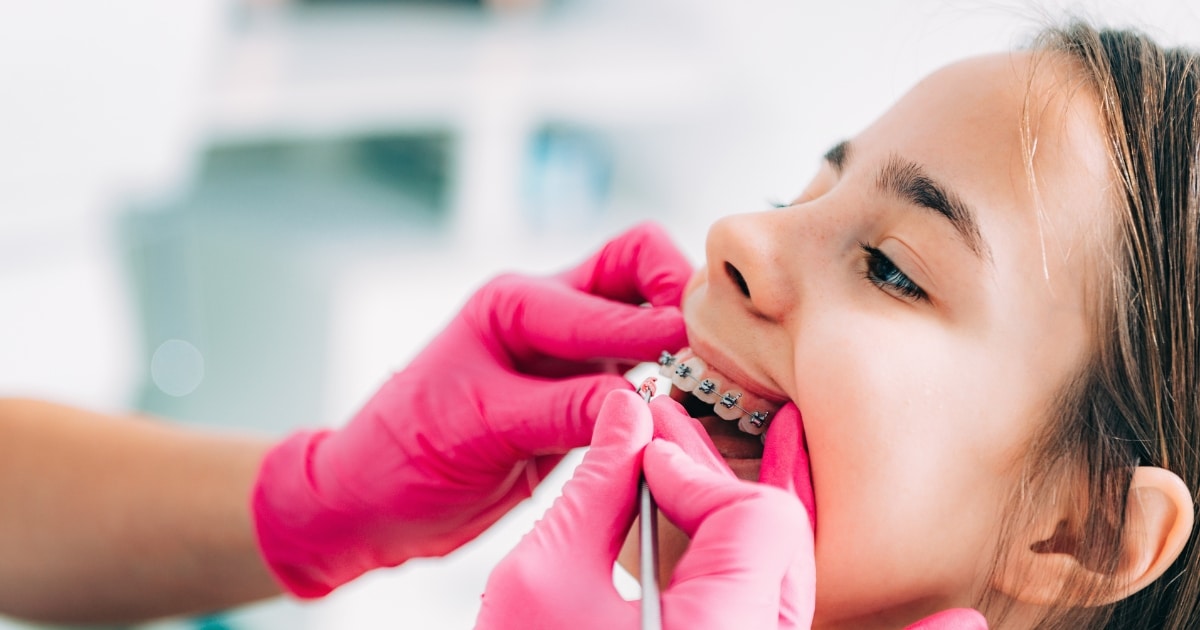
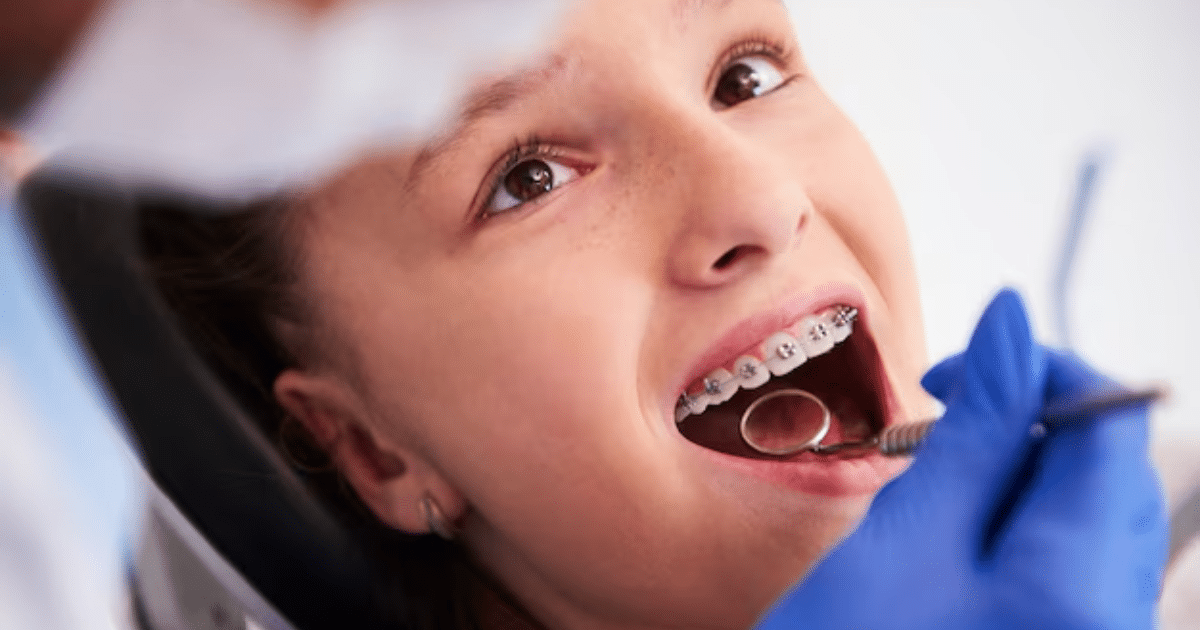
Top 7 Signs Your Child Needs An Allen Pediatric Orthodontist

Most dental issues in children start quietly. Parents may not even realize something is wrong until symptoms become more noticeable, like speech difficulty or jaw pain. That’s where early orthodontic evaluation comes into play. An Allen pediatric orthodontist can spot problems with your child’s bite, jaw development, and alignment of teeth before they affect long-term health.
Your child doesn’t have to have crooked teeth to require orthodontic treatment. The American Association of Orthodontists encourages an orthodontic check-up by age 7—even if everything appears normal on the outside. These are what to watch for.
1. Crowded or Misaligned Teeth
One of the easiest-to-spot indications that your child needs orthodontic care is noticeable crowding. If teeth overlap or twist, it could be due to a lack of space in the jaw. Early treatment by an Allen pediatric orthodontist can create room for permanent teeth to erupt into place properly—sometimes even without needing braces down the road.
2. Premature or Delayed Loss of Baby Teeth
Most lose their baby teeth between six and twelve years of age. When it begins too early or too late, then that could be a problem with development by way of spacing, eruption timing, or bite. Orthodontic analysis at the right time will prevent any delay from impacting how the adult teeth erupt.
3. Problematic chewing or biting
Trouble biting into foods like apples or sandwiches can mean your child has an unusual bite. Overbites, underbites, or crossbites are crooked bites that put more stress on jaw muscles and can lead to pain. Early treatment reduces the chances of developing more serious bite problems later on.
4. Mouth Breathing or Snoring at Night
Mouth breathing is not necessarily habitual. It is frequently related to narrowed dental arches, improper jaw relationships, or large tonsils. These conditions can lead to disturbed sleep and overall well-being. Orthodontic care, along with airway evaluation in some cases, can greatly improve sleeping, breathing, and comfort.
5. Thumb Sucking or Tongue Thrusting After Age 4
If your child continues to suck on their thumb or thrust their tongue against the front teeth while swallowing, it poses alignment issues. This is likely to lead to an open bite or speech problems in the future. These habits can be treated and normalized through a mild orthodontic appliance.
6. Jaw Shifting or Clicking
Does your child complain about their jaw popping or moving every time they open their mouth? This is usually an indication of temporomandibular joint (TMJ) problems. Catching them early with help from the best pediatric orthodontist in Allen will keep them from experiencing long-term joint pain.
7. Speech Problems
Lisps, slurred speech, or trouble pronouncing some letters may be associated with bite issues or tongue positioning. An orthodontist will determine how teeth and jaw placement are affecting speech and propose a treatment that allows for both function and confidence.
Why Early Intervention Matters
Early orthodontic treatment does not always equal braces. It can equal space maintainers, habit appliances, or observation of jaw development. These small steps, now at the right times, can prevent your child from more extensive dental treatment down the road.
At Jupiter Kids Dentistry & Orthodontics, we work together with families to guide the child’s dental development with care and effectiveness. If you notice any of these indicators, it’s time to schedule an appointment with a pediatric orthodontist in Allen who understands how kids develop and how their smiles should develop with them.