What Does Dr. Kamali Recommend for a Toddler Who Refuses to Brush?

The toothbrush standoff is one of the most universal experiences in parenting a toddler. You present the brush. They clamp their mouth shut, turn their head, or dissolve into a full meltdown, and suddenly, a two-minute hygiene task has become the focus of your evening. You’re not doing anything wrong. Toddlers refuse to brush for the same reason they refuse to wear shoes or eat anything green: autonomy is their full-time occupation right now.
But here’s the thing – those little baby teeth matter more than parents sometimes realize. Early childhood cavities are the most common chronic disease in children in the United States, according to the CDC, affecting more than 40% of children by the time they start kindergarten. Establishing a consistent brushing routine early is one of the most meaningful things you can do for your child’s long-term dental health. Dr. Kamali at Jupiter Kids Dentistry & Orthodontics works with families throughout Jupiter and Palm Beach County to make that routine actually stick, and this guide covers exactly how.
Why Toddlers Push Back on Brushing and What That Means for Your Approach
Understanding why your toddler resists brushing helps you respond more effectively than simply pushing through the resistance. Most toddlers aren’t refusing because they dislike clean teeth; they’re refusing because something about the experience feels uncomfortable, overwhelming, or out of their control. The sensation of bristles on gums, the taste of toothpaste, the physical positioning, the lack of choice – any of these can trigger a reaction.
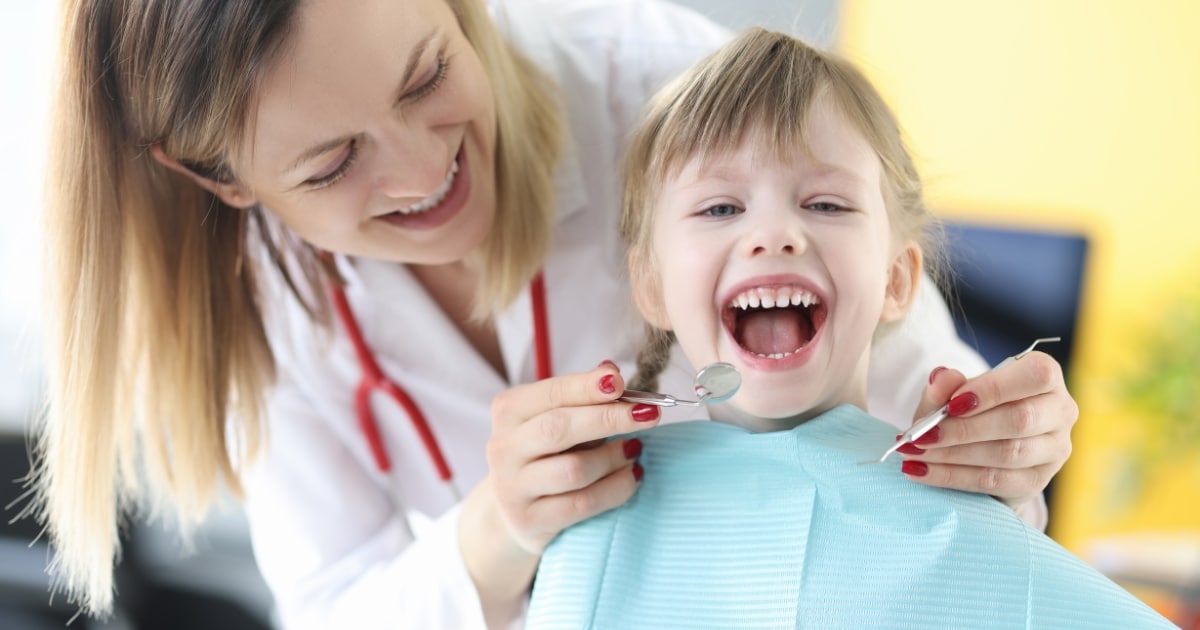
This is why children’s cleanings & exams are so valuable beyond just the cleaning itself. At each visit, Dr. Kamali and the hygiene team observe how your child responds to the mouth being examined and cleaned, which gives them direct insight into what’s driving the resistance at home. Sensory sensitivity, gag reflex, and anxiety are things a dentist can help you address with strategies, not just general encouragement.
Dr. Kamali’s Recommendations for Brushing Resistance
Start With the Right Tools
The toothbrush itself matters. For toddlers, a soft-bristled brush with a small head is the right fit – it’s gentler on sensitive gum tissue and easier to maneuver in a small mouth. Some children respond better to an electric toothbrush because the vibration does more of the work with less physical pressure. Others find the sensation overwhelming at first. Let your child hold and explore the brush before you try to use it. Taking the mystery out of the tool is often the first step to reducing resistance.
Toothpaste is another friction point. The American Academy of Pediatric Dentistry recommends a rice-grain-sized amount of fluoride toothpaste for children under three, and a pea-sized amount for ages three through six. Many children object to minty flavors – the sensation can be genuinely intense for a young palate. Fruit-flavored children’s toothpastes with the same fluoride content are a perfectly reasonable switch if it means your child will actually open their mouth.
Give Your Child a Sense of Control
Toddlers are in the middle of establishing independence, and they resist routines that feel entirely imposed. Giving your child small, real choices within the brushing routine shifts the dynamic. They can choose which toothbrush (offer two options), which toothpaste flavor, whether they want to brush first or have you brush first, or which song plays during the two minutes. None of these choices affects the outcome – the teeth still get brushed, but they give your child agency over the process, which dramatically reduces the battle.
Make the Routine Consistent and Predictable
Toddlers thrive on predictability. Brushing at the same time, in the same place, in the same sequence every night removes the element of negotiation. When brushing is just what happens after the bath, before the story, every single night without variation – it stops being a choice your child can push back on and becomes simply part of the routine. That shift takes a few weeks of consistency to establish, but once it clicks, the battles tend to drop off significantly.
Use Modeling and Play
Young children learn by watching and imitating. Brush your teeth alongside your toddler so they see it as something everyone does – not just something done to them. Let stuffed animals and dolls have their teeth brushed, too. There are also a number of well-made children’s books about brushing that normalize the routine, making it feel like story time rather than a lecture. Dr. Kamali often recommends letting children “brush” a toy’s teeth at bathtime as a low-pressure way to build familiarity with the tool.
When Resistance Is More Than Stubbornness
Some toddlers resist brushing because of genuine sensory sensitivity – the bristle pressure, the toothpaste taste, or the sensation of someone else handling their mouth can be genuinely distressing rather than just inconvenient. If your child’s resistance seems extreme or is accompanied by anxiety around any kind of mouth or face contact, it’s worth mentioning to Dr. Kamali at your next visit. Sensory processing differences are common in young children, and adjusting the brushing technique to accommodate them produces far better outcomes than persisting with an approach that’s creating significant distress.
The Role of Regular Dental Visits in Building Good Habits
One of the most underappreciated benefits of bringing your toddler to the dentist regularly is the reinforcement effect. Children who have positive experiences at their dental visits where the dentist talks to them, explains what’s happening, and treats their mouth with care build a relationship with oral health that carries through childhood and beyond.
During children’s cleanings & exams, Dr. Kamali checks for early signs of tooth decay, monitors the development of the primary dentition, assesses bite and spacing, and gives parents an honest picture of how home care is progressing. For toddlers who are in the thick of a brushing battle, these visits also give Dr. Kamali a chance to speak directly with your child about why brushing matters in language they can actually connect with, from a person whose opinion on teeth they’re more likely to trust than a tired parent at 8 pm.
You Don’t Have to Figure This Out Alone
Brushing resistance is genuinely challenging, and the stakes feel high when you know early cavities are preventable, yet your toddler has none of it. Dr. Kamali and the team at Jupiter Kids Dentistry are here for exactly these conversations. Every child is different, and what works depends on your child’s temperament, sensory profile, and developmental stage.
Book an appointment at Jupiter Kids Dentistry & Orthodontics in Allen, TX, and let us meet your child where they are. A single visit gives Dr. Kamali everything she needs to provide you with a concrete, personalized plan and gives your child a positive experience that makes every brush a little easier afterward.
People Also Ask
How much toothpaste should I use on my toddler’s teeth?
The American Academy of Pediatric Dentistry recommends a smear of fluoride toothpaste, about the size of a grain of rice, for children under 3 years old. For children ages three to six, a pea-sized amount is appropriate. These guidelines exist because young children inevitably swallow some toothpaste, and limiting the amount reduces the risk of fluorosis (mild changes to tooth enamel from excess fluoride intake) while still providing the cavity-prevention benefits of fluoride.
When should I start flossing my toddler’s teeth?
Flossing becomes necessary as soon as two teeth are touching, usually between ages two and three, when the primary molars begin to erupt and create contact points where food and bacteria can accumulate. At this stage, you’ll need to floss for your child rather than expecting them to do it themselves. Floss picks designed for children are easier to maneuver in small mouths than traditional floss. Your child’s dentist can show you the technique at the next visit if you’re unsure.
Is it okay if my toddler swallows toothpaste?
Occasionally, swallowing a small amount of children’s fluoride toothpaste, as recommended by the AAPD, is not harmful. The concern with regular swallowing is cumulative fluoride intake. Using the appropriate amount (rice-grain for under-threes, pea-sized for ages three to six) minimizes this risk while still delivering cavity protection. If your child is regularly swallowing large amounts of toothpaste, switch to a non-fluoride training toothpaste temporarily and ask Dr. Kamali about the best approach for your child’s specific situation.
What is early childhood caries, and how is it different from regular cavities?
Early childhood caries refers to cavities in children under the age of six. It’s the clinical term for what’s sometimes called baby bottle tooth decay or nursing caries. ECC can progress rapidly in primary teeth because the enamel is thinner than on permanent teeth, and it often affects the upper front teeth first. It’s strongly linked to prolonged exposure to sugary liquids, including formula, juice, and milk, when children fall asleep with a bottle. Early dental visits catch ECC in its earliest stages, when intervention is simplest.
How do I handle brushing if my toddler has a strong gag reflex?
A pronounced gag reflex makes brushing particularly challenging and is more common in toddlers than most parents realize. A few adjustments tend to help: use a very small-headed toothbrush, approach from the side rather than straight-on, start with the front teeth and work backward gradually rather than going directly to the molars, and keep sessions short and positive even if they’re not fully thorough at first. Some children’s gag reflexes desensitize over time with consistent, gentle exposure. If the reflex is severe enough to interfere consistently with dental care, mention it to Dr. Kamali – there are some desensitization techniques worth discussing.