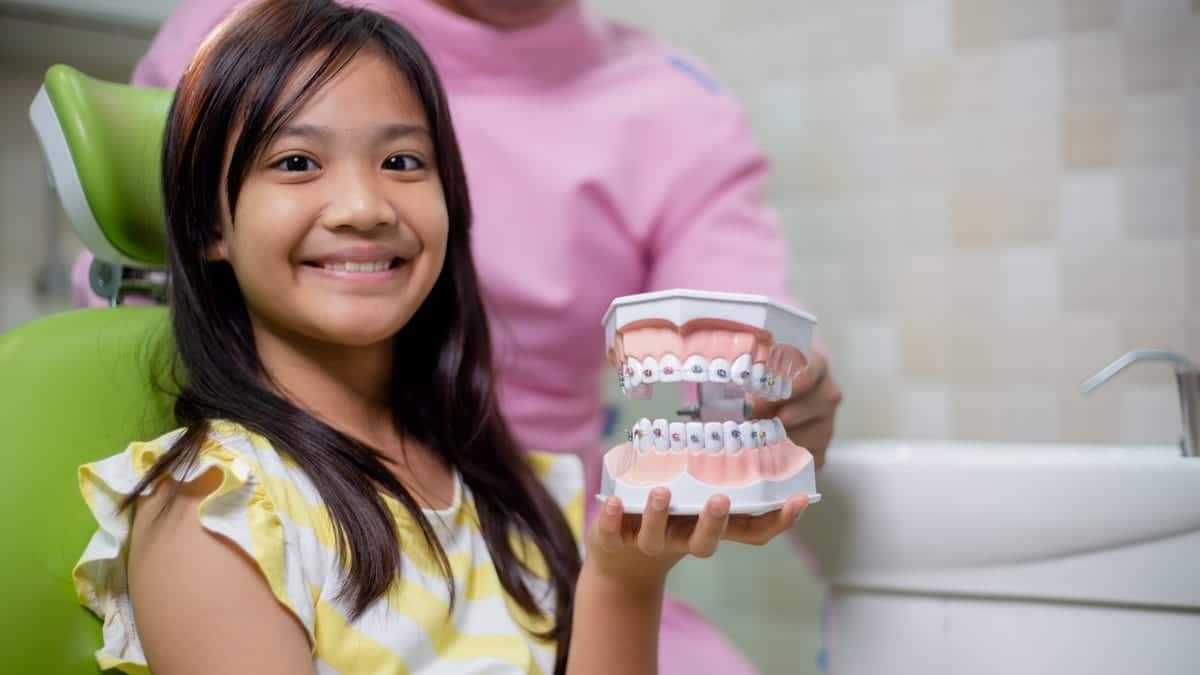

Thumb Sucking & Kids’ Teeth in Allen, TX

Many parents in Allen wonder: will your child’s thumb sucking cause permanent dental damage? It is one of the most common questions Dr. Sal Taiym hears at Jupiter Kids Pediatric Dentistry & Orthodontics. The good news is that timing matters enormously. Whether damage becomes permanent depends largely on how long the habit continues and how intensely your child sucks.
Thumb sucking is a natural reflex in infants and toddlers. Most children outgrow it on their own before any lasting harm occurs. However, when the habit extends into the school-age years, the risk of long-term dental changes increases significantly. Understanding that timeline helps parents take action at the right moment.
How Long Does Thumb Sucking Stay Harmless for Kids in Allen?
During the first two to three years of life, thumb sucking rarely causes permanent problems. Baby teeth are still erupting, and the jaw is highly flexible during this stage. The mouth can self-correct in many cases once the habit stops early enough.
The critical window opens around age four. If a child still sucks their thumb after most baby teeth are in place, structural changes can begin. Dental professionals generally become concerned when the habit continues past age four or five. Children who stop before the permanent front teeth arrive have the best chance of avoiding lasting damage.
Key factors that influence how long the habit stays harmless include:
- The age at which the habit starts and stops
- How frequently the child sucks throughout the day
- How forcefully the child sucks — passive resting differs from active suction
- Whether pacifier use adds to the overall oral pressure
- The natural shape of your child’s jaw and palate
Children who only suck their thumb while falling asleep are at lower risk than those who suck continuously during the day. Intensity matters just as much as duration when assessing long-term dental impact.
What Permanent Dental Changes Can Thumb Sucking Cause?
Prolonged thumb sucking can reshape the developing jaw and alter how teeth grow in. The most common result is an open bite, where the front teeth no longer touch when the mouth is closed. This affects chewing, speech, and overall bite alignment.
Narrowing of the upper palate is another frequent consequence. When the thumb presses against the roof of the mouth repeatedly, it can push the arch inward over time. This narrowing can create crowding and misalignment that requires orthodontic correction later. It can also affect breathing patterns and tongue posture in some children.
Other dental changes linked to extended thumb sucking include:
- Upper front teeth that protrude forward (commonly called buck teeth)
- Lower front teeth that tilt inward toward the tongue
- Asymmetrical jaw development in more severe cases
- Changes in how the upper and lower jaws fit together
- Increased sensitivity of the front teeth due to prolonged pressure
These changes do not happen overnight. They develop gradually with sustained pressure over months or years. Early intervention dramatically reduces how much correction your child will need later.
Can Dental Damage from Thumb Sucking Be Reversed in Allen Children?
Whether damage is reversible depends entirely on when the habit stops. Baby teeth changes often correct themselves naturally after the child quits. The jaw at this stage is still growing and adapts well when the pressure source is removed.
Permanent teeth are less forgiving. Once adult teeth have erupted into a misaligned position, they typically require orthodontic treatment to correct. The longer the habit continues into the permanent dentition stage, the more involved the treatment plan may become. This is why Dr. Sal Taiym encourages parents to address the habit before age five whenever possible.
Mild open bites caught early sometimes resolve without braces. Moderate to severe cases, especially those involving palate narrowing, may require a palatal expander followed by braces or clear aligners. Catching issues early through routine visits and Cleaning And Prevention appointments gives children the best opportunity for simpler treatment paths.
The reversibility window is widest before the permanent front teeth fully erupt, usually between ages six and eight. Parents who act within this window give their child the greatest chance of minimizing long-term dental correction needs.
How to Help Your Child Stop Thumb Sucking Before Permanent Damage Occurs
Positive reinforcement works best for most children. Praise and small rewards for thumb-free periods encourage children to build awareness of their habit. Avoid scolding or punishment, which can increase anxiety and actually worsen the behavior. The goal is to make your child feel empowered, not ashamed.
Identify when your child sucks most often. Many children default to the habit when bored, anxious, or sleepy. Offering a comfort item like a stuffed animal during those moments can redirect the urge effectively. Keeping hands busy with activities also reduces idle thumb sucking during waking hours.
Additional strategies parents in Allen have found helpful include:
- Placing a bandage or thumb guard on the thumb as a gentle reminder
- Using a sticker chart to track and celebrate progress visually
- Reading children’s books about stopping the habit together
- Asking Dr. Sal Taiym to explain directly why stopping helps — children often respond better to their dentist than to parents
- Scheduling regular Teeth Cleaning visits so the dental team can monitor progress and offer encouragement
If the habit persists despite these efforts, ask about dental appliances designed to discourage thumb sucking. A palatal crib or similar device makes thumb placement less satisfying and can break the habit effectively within a few months.
When Should Allen Parents See a Pediatric Dentist About Thumb Sucking?
Do not wait until you see visible dental changes to bring up the habit with your dentist. If your child is still sucking their thumb at age four, mention it at your next visit. Dr. Sal Taiym can evaluate jaw development and tooth eruption patterns to determine if any early action is warranted.
If your child is approaching age six and the habit continues, a more detailed evaluation is important. The permanent front teeth are beginning to emerge during this period. This timing represents the last reliable window to prevent permanent misalignment without orthodontic treatment.
Children who have already developed an open bite or visible protrusion benefit from early orthodontic screening. Early intervention often means shorter, simpler treatment compared to waiting until adolescence. Jupiter Kids Pediatric Dentistry & Orthodontics offers comprehensive evaluations to help Allen families make informed decisions at every stage.
Your child’s smile has a long future ahead. Protecting it during these early years pays dividends for decades. Book Now to schedule your appointment with our team.
Frequently Asked Questions
At what age should I start worrying about my child’s thumb sucking?
Most pediatric dentists, including Dr. Sal Taiym, begin monitoring the habit closely around age three to four. If your child is still sucking their thumb past age four or five, it is a good time to discuss it at your next dental visit. The goal is to stop the habit before permanent teeth start to erupt, typically around age six.
Will my child need braces because of thumb sucking?
Not necessarily. Children who stop the habit before their permanent front teeth erupt often avoid orthodontic treatment entirely. Those who continue into the permanent dentition stage may develop an open bite or narrow palate that requires correction. Early evaluation helps determine what, if any, orthodontic treatment your child may need.
Is thumb sucking worse than pacifier use for teeth?
Both habits can affect dental development when continued past age three or four. Pacifiers are often considered slightly easier to discontinue because parents can control access. However, the dental effects of both habits are similar and depend more on intensity and duration than on which habit the child has.
Can a dentist place an appliance to stop thumb sucking?
Yes. A palatal crib or habit appliance is a device fitted in the mouth that makes thumb sucking physically unsatisfying. It is a safe, effective option for children who have not responded to behavioral strategies. Dr. Sal Taiym can evaluate whether your child is a good candidate for this type of intervention.
How often should my child visit the dentist if they suck their thumb?
Children with an active thumb-sucking habit benefit from regular six-month dental visits so the dental team can monitor jaw development and tooth position over time. Consistent checkups allow for early detection of any developing misalignment, making treatment simpler and more effective when intervention is needed.