
How Sedation Dentistry Can Make Tooth Extractions Easier for Your Child
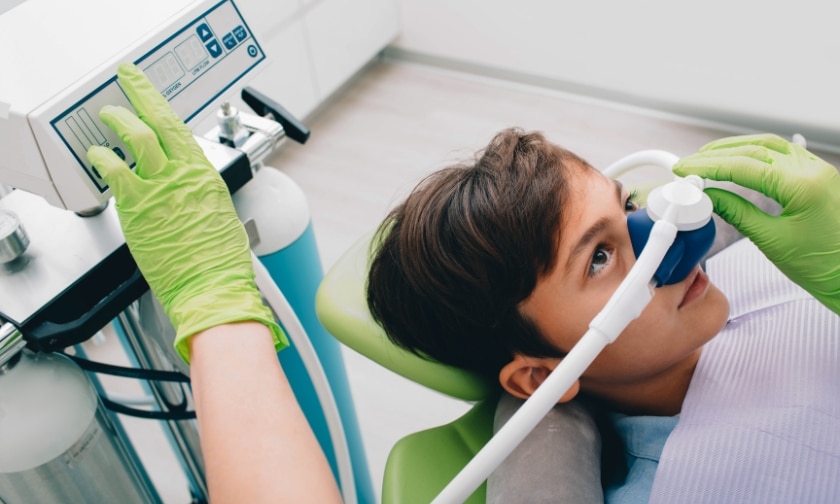
Going to the dentist can be a source of anxiety for children, especially when a tooth extraction is necessary. Many young patients fear dental procedures, unfamiliar sounds, or the threat of pain. For parents, this makes them anxious about scheduling necessary dental procedures. Fortunately, sedation dentistry for kids has become a safe and effective solution that enables children to relax and get care comfortably.
Why Sedation Dentistry Is Necessary in Pediatric Care
Children view fear differently from adults. Even a simple dental procedure can seem overwhelming without proper reassurance or comfort. Sedation dentistry allows pediatric dentists to render the environment calm for children so that they can feel relaxed and remain still through the procedure.
This is not a case of “putting a child to sleep” but rather assisting them to relax and be free of anxiety during the visit. Depending on the age of your child, their health history, and anxiety level, the dentist may recommend minimal, moderate, or deeper sedation levels.
When Tooth Extraction Becomes Necessary
Baby teeth usually fall out by themselves, but sometimes a tooth must be pulled to prevent crowding, infection, or permanent tooth problems. Common reasons include:
- Severe decay that cannot be repaired
- Tooth fracture or trauma
- Persistent baby teeth interfering with adult teeth
- Orthodontic preparation for braces
Even when extractions are simple, children may view the procedure as frightening. That’s where a pediatric sedation dentist plays an important role in minimizing anxiety and discomfort during treatment.
Types of Sedation Used in Pediatric Dentistry
Pediatric dental offices, like Jupiter Kids Dentistry, use methods that are not just safe but also child-specific. The following are the most common types:
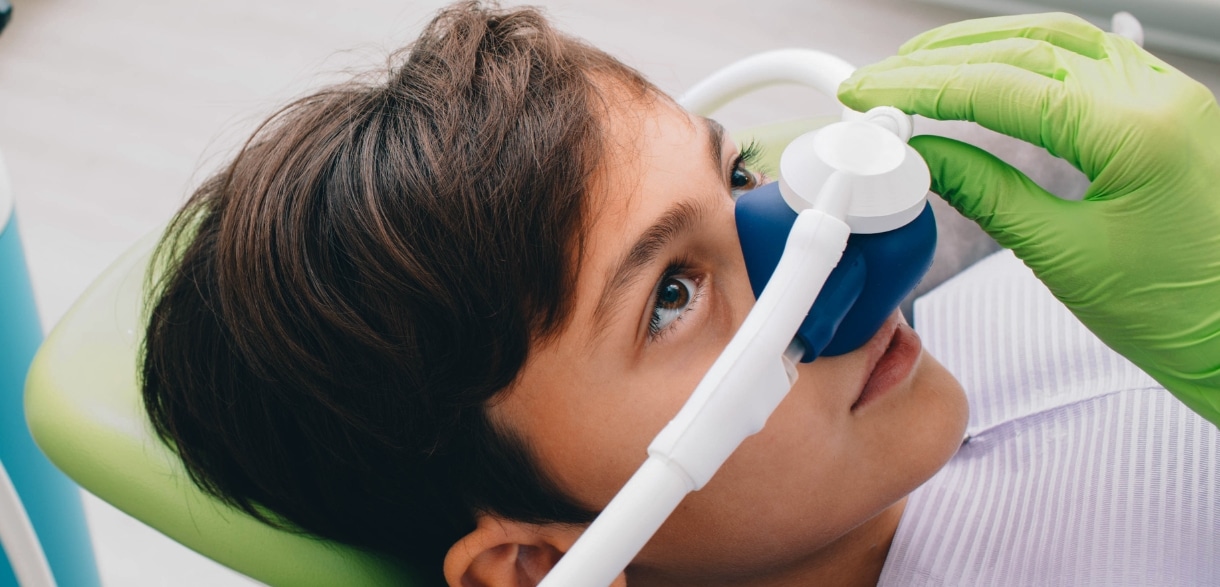
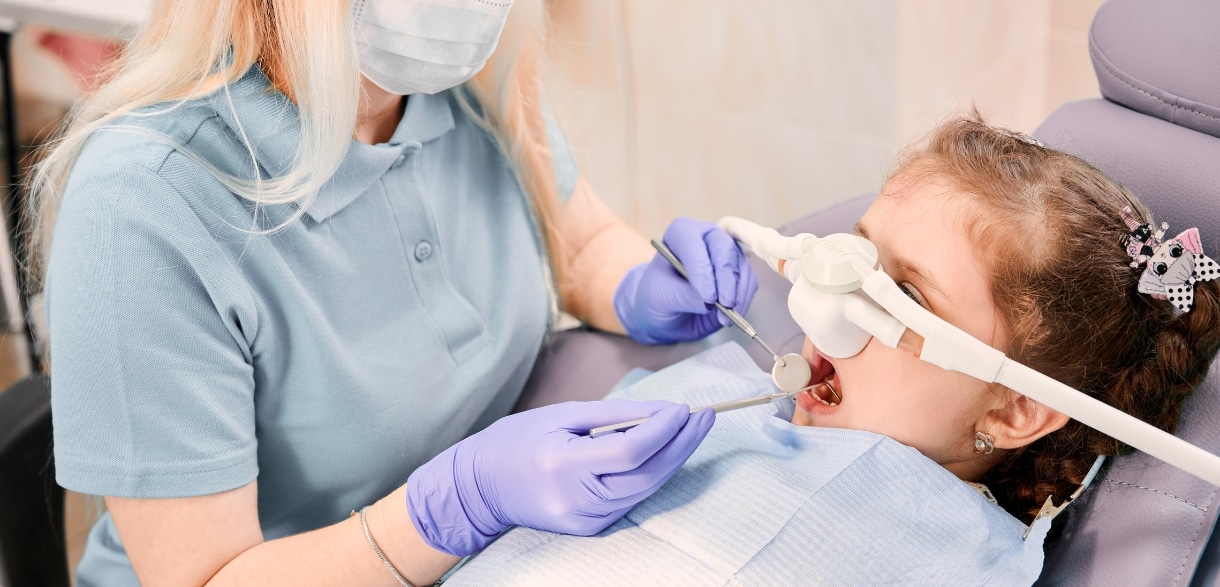
- Nitrous Oxide (Laughing Gas): It is a light sedative that relaxes children but still allows them to remain awake and responsive. Its effects wear off quickly once the treatment is done.
- Oral Sedation: Given in liquid form before the appointment, it makes children relaxed and sleepy but does not affect the protective reflexes.
- IV or General Anesthesia: Used for complex or lengthy procedures, this type of sedation offers a deeper sleep under the close monitoring of a qualified specialist.
Each method is selected based on what is best for your child. A sedation dentist closely reviews your child’s health to establish the most secure approach.
Safety First: What Parents Need to Know
According to the American Academy of Pediatric Dentistry (AAPD), sedation is safe when performed by qualified personnel and with proper monitoring equipment. Your child’s heart rate, oxygen level, and breathing are continuously monitored throughout the procedure.
Parents also play a role in preparation—following pre-appointment guidelines, such as fasting and after-care guidelines, ensures a smooth experience from start to finish.
The Emotional Benefits for Children
Sedation dentistry not only prevents physical pain; it also stops dental fear from carrying over into adulthood. When kids associate the dentist with positive, calming experiences, they’re more likely to maintain lifelong oral health habits.
Children who undergo sedation dentistry typically awaken with little or no memory of the treatment, so future visits become far less fearful.
Recovery and Aftercare
Your child may be sleepy or need more rest for the remainder of the day after sedation. Soft foods, gentle brushing, and monitoring at home help aid in proper healing. Most children recover quickly and can return to normal activities within a day.
Tooth extractions don’t have to be stressful. With modern sedation techniques, your child can receive essential dental care without fear or discomfort. At Jupiter Kids Dentistry in Allen, our goal is to make every visit positive, gentle, and reassuring – so your little one can keep smiling with confidence.
Call today to schedule your child’s visit and discover how sedation dentistry can make dental care easier and stress-free.