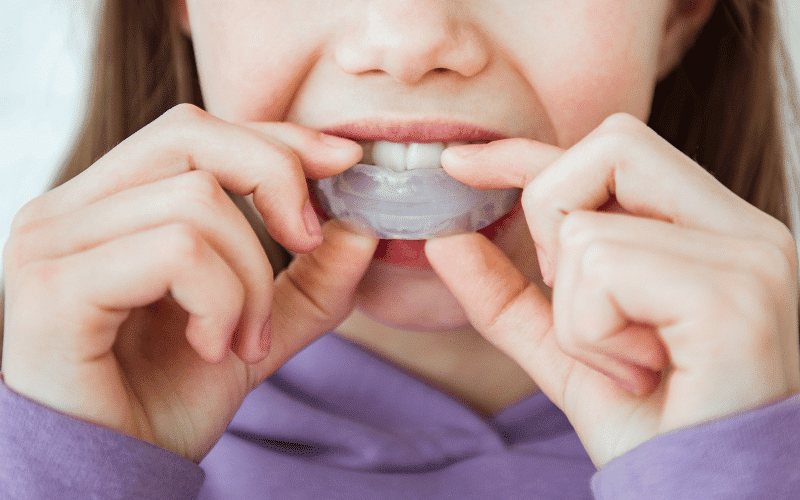

Will My Child Need a Mouth Guard if They Play Sports With Braces?

The moment your child gets braces, you start facing new questions—especially if they’re into sports. Suddenly, you’re wondering: do braces need extra protection on the field? Kids run, collide, and sometimes take a ball to the face while playing sports. That’s just part of being active. You want your child to have fun and stay safe, which means you need a plan to keep their smile healthy during orthodontic treatment. That’s where Jupiter Kids Dentistry can help.
Why Do Braces During Sports Need Special Attention?
Braces make mouths a little more vulnerable. A bump or a fall can push metal brackets and wires into your child’s lips or cheeks, leading to cuts and irritation. Worse, a direct hit can break the braces, slow progress, or send you running to an emergency appointment.
That’s why a mouth guard is more than just a good idea—it’s essential. It acts as a cushion, taking the hit so your child’s mouth doesn’t have to. It also protects the braces themselves and lets your kid play with a little more confidence.
Early habits matter, too. Starting orthodontic care early in Allen shows how taking small steps can make a big difference later. Part of that is picking the right sports protection that fits as your child’s teeth move.
Why Does Your Child Need a Mouth Guard With Braces?
Kids are quick, and most sports aren’t gentle. With braces, the right mouth guard lowers the risk of:
- Cuts and sores inside the mouth
- broken wires or brackets
- painful pressure from sudden hits
- setbacks in orthodontic treatment
Sports like basketball, soccer, and football are obvious risks, but even activities like gymnastics or skateboarding can lead to falls. The American Dental Association found that athletes without mouth protection are way more likely to get dental injuries. Wearing a mouthguard changes that.
Which Mouth Guards Work Best With Braces?
Mouth Guards Made for Braces
These are built with extra space for brackets and wires, so your child’s teeth can keep moving. They also spread out any impact, which means less risk of injury.
Boil-and-Bite Guards
Some parents go for these because they’re easy. You soften them in hot water, then mold them to your child’s teeth. The catch? As teeth shift, the fit isn’t always perfect, so they’re not quite as reliable as guards explicitly designed for braces.
Custom Guards from the Dentist
If you want the best fit and maximum comfort, custom sports mouthguards are the way to go. Dentists make them to fit your child’s mouth precisely, so they stay put during heavy activity and don’t rub against brackets.
How Do You Know If Your Child Needs One?
If your child plays any kind of organized sport—whether it’s serious competition or just for fun—a mouth guard should be part of their gear. Check in with your child regularly about how their mouth feels, whether the guard still fits, and whether any brackets look damaged. Kids grow fast, so their mouth guard might need replacing sooner than you think.
Wearing a mouth guard doesn’t just prevent injuries—it also helps your child feel more at ease so they can focus on the game, not on what could go wrong.
How to Care for a Mouth Guard
Take care of the guard, and it’ll take care of your child’s smile:
- Rinse it before and after every use
- Keep it in a ventilated case.
- Replace it if it’s worn out or loose
- Bring it along to dental appointments to check the fit
A clean mouth guard prevents irritation and lasts longer through the ups and downs of a sports season.
A mouth guard is a simple, effective way to protect your child’s teeth and their orthodontic progress. It means fewer worries for you, and a safer, happier experience for your kid. And if you’re not sure what’s right for your child, Jupiter Kids Dentistry is always here to guide you. We’re ready to help your child play hard and smile wide.
FAQs
1. Do all sports require a mouth guard?
Not every sport involves the same level of contact, but many activities still carry injury risks. Even non-contact sports can involve falls. A guard adds a valuable layer of protection.
2. Can my child talk and breathe comfortably with the guard in?
Yes. Orthodontic mouth guards are made with extra space and softer material so your child can breathe and communicate without strain.
3. How often should a mouth guard be replaced?
Growing children often need a new guard every season. Teeth shift during braces, so replacing them ensures proper fit and protection.
4. Can a mouth guard help prevent irritation from braces during sports?
It can. A guard creates a cushion between soft tissues and metal brackets, reducing the chance of cuts or pressure injuries.