
How Does Jupiter Kids Dentistry Treat “Nursing Bottle Syndrome”?

As parents, we want to give our kids the best start in life, especially when it comes to their health. One aspect that can sometimes be overlooked is their oral health, which can significantly impact their overall well-being. Did you know that something as simple as how your child drinks from a bottle can lead to tooth decay? It’s true, and it’s called Nursing Bottle Syndrome.
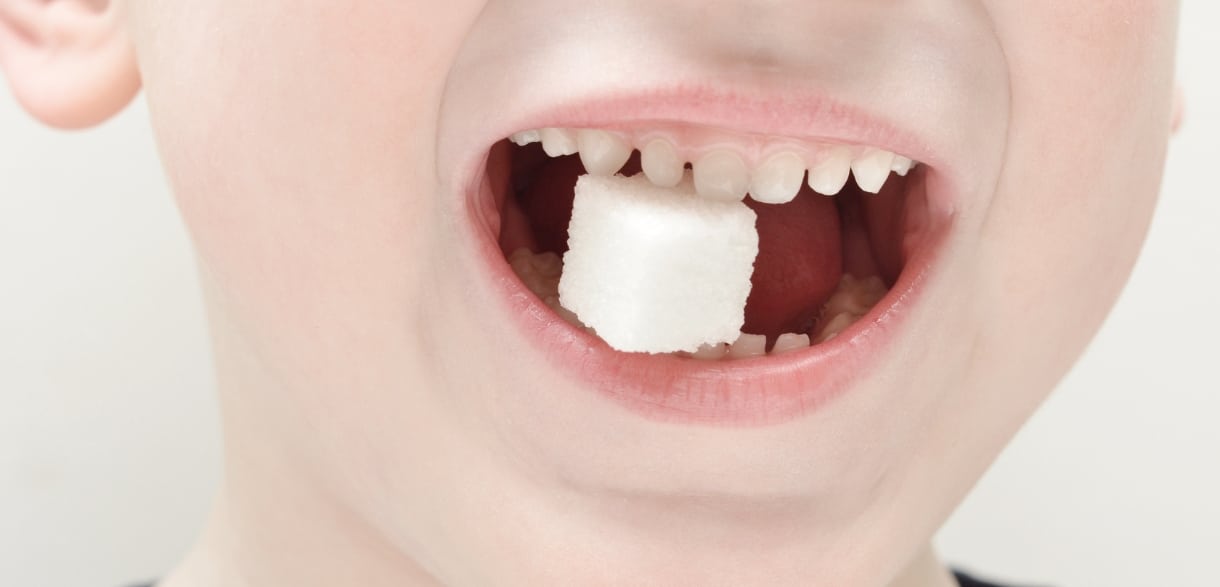
This condition, also known as Early Childhood Caries (ECC), often occurs when babies and toddlers are frequently exposed to sugary liquids, such as milk or juice, from bottles. Over time, this can cause significant damage to your child’s developing teeth.
At Jupiter Kids Dentistry & Orthodontics, we focus on early prevention and effective treatment to ensure that your little one’s smile stays healthy. In this blog, we’ll explore how Nursing Bottle Syndrome happens, why early treatment matters, and how we can help your child thrive with a beautiful, cavity-free smile.
What Is Nursing Bottle Syndrome?
Nursing Bottle Syndrome, also known as Early Childhood Caries, is a type of tooth decay that typically affects children who are frequently exposed to sugary liquids, especially in bottles or sippy cups. It’s a condition in which sugar from milk, formula, or juice sticks to the teeth for extended periods, creating an ideal environment for harmful bacteria to thrive.
How It Happens
When children drink sugary liquids and fall asleep with the bottle still in their mouths, the sugars in the liquid cling to their teeth. This leads to the growth of plaque, which then turns into cavities. Because babies and toddlers are often unable to brush their teeth on their own, this sticky sugar stays on their teeth longer, increasing the risk of decay.
Symptoms of Nursing Bottle Syndrome
The signs of Nursing Bottle Syndrome can vary, but some common symptoms include:
- Tooth Discoloration: The teeth may begin to turn yellow or brown, especially around the gumline.
- Pain or Sensitivity: Your child may experience pain when eating or drinking hot, cold, or sweet foods.
- Visible Cavities: As the decay progresses, cavities may form, often in the upper front teeth.
- Swollen Gums: Red and swollen gums can indicate gum disease caused by the build-up of bacteria.
Why It’s Common in Infants and Toddlers
Infants and toddlers are more prone to this condition because their teeth are still developing, and their enamel (the outer protective layer of teeth) is softer and more vulnerable to decay.
Additionally, many parents are unaware of the impact that prolonged bottle-feeding can have on their child’s oral health. This is why it’s so important to start practicing good oral habits early, even before your child’s first teeth appear.
Long-Term Effects of Untreated Nursing Bottle Syndrome
If left untreated, Nursing Bottle Syndrome can lead to severe tooth decay, which can affect your child’s ability to chew, speak, and eat. In some cases, extensive tooth decay may require fillings, root canals, or even tooth extractions. It may also cause speech delays and difficulties with eating, as children avoid certain foods due to pain.
Why Is Early Treatment Crucial?
Preventing Long-Term Damage
Early intervention is essential for preventing the long-term effects of Nursing Bottle Syndrome. If caught early, cavities can be treated with simple dental fillings, preventing further damage. The earlier the treatment, the less likely your child is to need more invasive procedures later in life.
Impact on Speech and Eating
Untreated decay in your child’s baby teeth can affect their ability to speak and eat properly. For instance, cavities can lead to tooth loss, which can hinder speech development. Additionally, if a child’s teeth hurt, they may become hesitant to eat certain foods, leading to nutritional deficiencies.
Emotional and Psychological Impact
Children’s smiles are an important part of their self-esteem and social interactions. Severe tooth decay can cause pain and discomfort, making children self-conscious about their smiles. This can have a lasting emotional and psychological impact on their confidence, which is why taking action early can help them develop both healthy teeth and a positive self-image.
How Jupiter Kids Dentistry Treats Nursing Bottle Syndrome
At Jupiter Kids Dentistry & Orthodontics, we prioritize early detection and personalized care for every child. Our team takes a thorough and gentle approach when assessing a child’s oral health, ensuring that even the earliest signs of Nursing Bottle Syndrome are detected and treated appropriately.
Comprehensive Evaluation
When you bring your child in for an evaluation, our pediatric dentist in Allen conducts a comprehensive exam to identify any potential signs of Nursing Bottle Syndrome. This includes a detailed check of the child’s teeth for early cavities, discoloration, or enamel wear.
We also assess the gums and mouth for any swelling or redness that may indicate bacterial buildup or gum disease. During this process, we prioritize making your child feel comfortable and at ease, ensuring that they enjoy their visit to the dentist.
Treatment Options
If Nursing Bottle Syndrome is detected, we offer a range of treatment options to restore and protect your child’s smile:
- Dental Fillings: If cavities have formed, we provide dental fillings to restore the tooth’s structure and prevent further decay.
- Fluoride Treatments: Fluoride is applied to strengthen the enamel, making teeth more resistant to decay. These treatments are especially helpful in children who are at high risk of cavities.
- Behavioral Guidance: Our team educates parents on healthy bottle-feeding habits and guides them in transitioning away from sugary drinks, helping to reduce the risk of further tooth damage.
Preventive Measures
At Jupiter Kids Dentistry, we believe that prevention is key. We focus on encouraging proper bottle-feeding practices and recommend avoiding sugary liquids before bedtime. Regular dental checkups every six months are essential to catch any potential issues early. By establishing a solid foundation of oral hygiene early on, we help ensure your child’s smile stays healthy for years to come.
Tips for Parents to Prevent Nursing Bottle Syndrome
Prevention is always better than treatment, and there are several steps you can take to protect your child’s oral health:
Proper Feeding Habits
- Avoid putting your child to bed with a bottle of milk, juice, or sugary liquids. Water is the best choice before bedtime.
- Gradually transition your child from the bottle to a sippy cup as they grow, usually around 6-12 months.
- Offer nutritious drinks and foods that are less likely to cause tooth decay, such as water, breast milk, or formula without added sugar.
Maintaining Good Oral Hygiene
- Even before your child’s first teeth appear, use a soft cloth to wipe their gums after feedings to remove food particles and bacteria.
- As soon as your child’s first tooth comes in, use a soft toothbrush with a tiny amount of fluoride toothpaste to brush their teeth.
- Encourage your child to brush their teeth at least twice a day to remove plaque and prevent cavities.
Nursing Bottle Syndrome is a serious but preventable condition that can affect your child’s dental health and overall development. At Jupiter Kids Dentistry & Orthodontics, we are committed to providing the best care for your little one. With early detection, personalized treatment, and preventive guidance, we can ensure that your child enjoys a lifetime of healthy smiles.
If you’re concerned about Nursing Bottle Syndrome or your child’s oral health, don’t hesitate to schedule an appointment with our team. We’re here to help your child achieve the bright, confident smile they deserve.
What People Ask
What causes Nursing Bottle Syndrome?
It’s caused by the frequent exposure of a child’s teeth to sugary liquids, leading to plaque buildup and tooth decay, especially when the child falls asleep with a bottle.
What are the signs of Nursing Bottle Syndrome?
Signs include tooth discoloration (yellow or brown spots), visible cavities, pain or sensitivity, and swollen gums.
At what age should I take my child to the dentist?
It’s recommended to take your child to the dentist by their first birthday or when their first tooth appears.
Does Nursing Bottle Syndrome affect speech or eating?
Yes, untreated cavities can affect chewing, speaking, and overall comfort, possibly leading to difficulties with speech and eating.
What can I do to avoid Nursing Bottle Syndrome?
Avoid giving sugary liquids at bedtime, clean your child’s teeth after feedings, and establish good oral hygiene habits as soon as teeth appear.